A long-term steward for exceptional industrial companies.
We work with founders and families seeking the right future for businesses they have spent years building.
What owners are considering.
Every founder’s situation is different. The future of a company involves more than ownership alone. It involves people, relationships, reputation and legacy.
For many founders, the future of their employees and the people who helped build the company is just as important as the transaction itself.
What we preserve.
Exceptional companies are not created by one person alone. They are built by employees, customers, suppliers and communities over many years.
A successful transition should strengthen these relationships, not disregard them.
Culture.
Technical expertise.
Customer relationships.
Reputation.
What we build.
A successful industrial company is built on more than products and equipment. Long-term ownership requires the capabilities to preserve what works and create the foundation for future growth.
Leadership capability.
Strengthening the organisation beyond the founder by developing management depth, clear responsibilities and the next generation of leaders.
Systems and processes.
Building the operating discipline, reporting and processes that allow excellence to become repeatable while preserving what makes the company successful.
Innovation.
Investing in the products, technologies and capabilities that protect the company’s competitive position.
New markets and opportunities.
Supporting growth through stronger customer relationships, adjacent markets, new applications and carefully selected opportunities.
What makes an exceptional industrial company.
We are not looking for businesses defined only by size or financial metrics.
We are interested in companies that have built enduring positions through expertise, customer relationships and capabilities that are difficult to replicate.
Technical expertise
Proprietary products, engineering capability, specialist manufacturing knowledge or processes developed over many years.
Customer trust
Long-standing relationships, qualified products, installed solutions and reputation built through consistent delivery.
Industrial capability
Precision production, specialised equipment, certifications, technical service or mission-critical applications.
Strong foundations
Profitable, cash-generative businesses with resilient market positions and the ability to continue developing over time.
Geographic focus
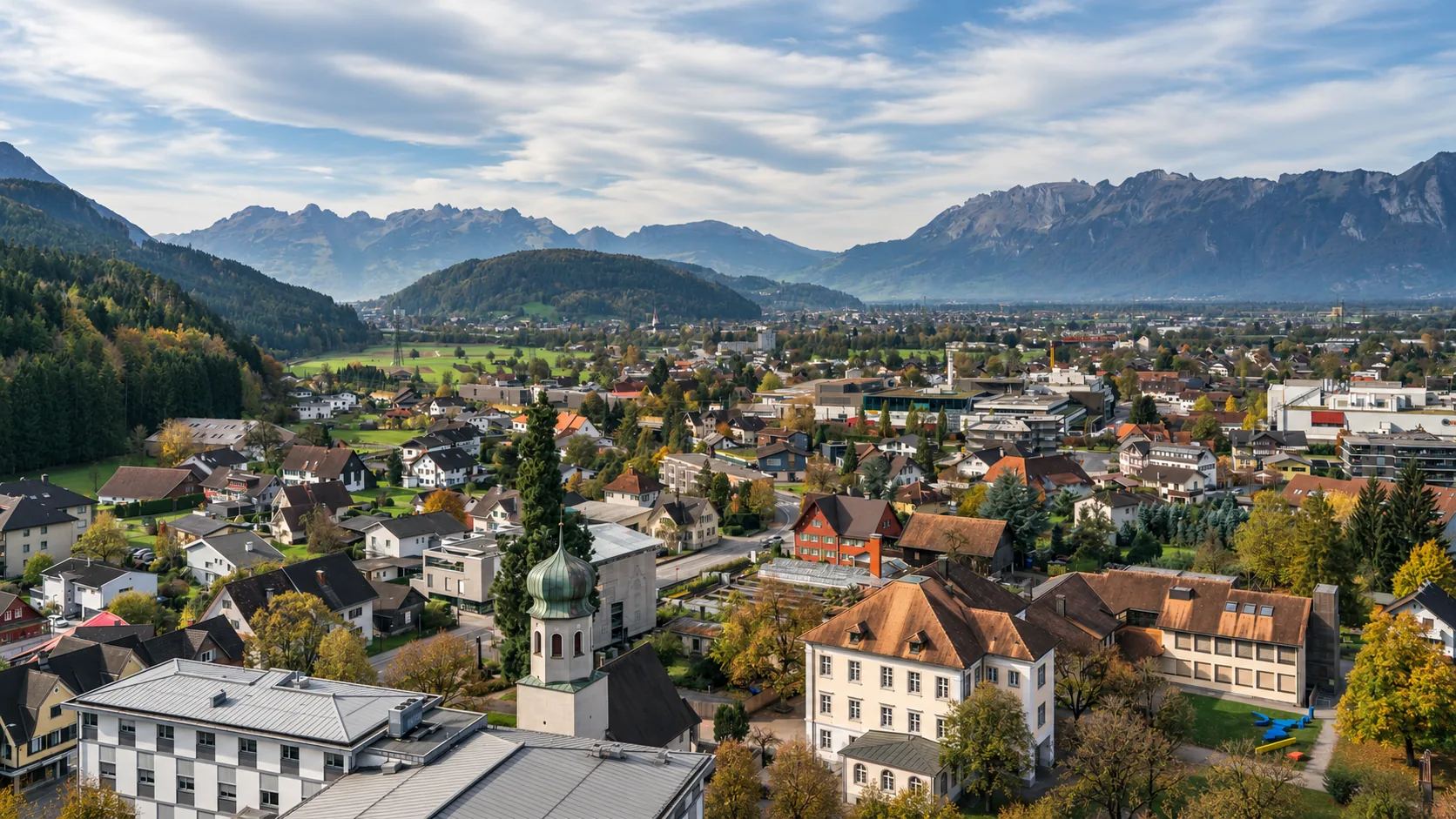
We consider exceptional industrial and specialist manufacturing businesses across the Alpine region, including Austria, Switzerland, Southern Germany, the French and Italian Alpine regions, and Slovenia.
Typical profile
Many businesses we consider have founder or family ownership, approximately €1–5 million (~CHF 0.9–4.7 million) of EBITDA, established European or international customers and a differentiated technical position.
Representative sectors include precision manufacturing, engineered components, specialist machinery, industrial technology and automation, testing and inspection, and mission-critical industrial services.
How we design the transition.
Selling a company built over decades is not only a financial decision. It is a decision about the future of the business, its people and the legacy behind it.
Every ownership transition is different. Some founders want to step back immediately, others want to remain involved for a period of time, and some want to continue sharing in the company's future.
Our role is to design a structure that aligns the needs of the founder, the company and its next chapter.
We acquire control. Beyond that, the shape of the transition is yours to consider.
Different paths after ownership changes.
There is no single model for the next chapter. The right approach depends on the founder, the business and what creates the strongest foundation for the future.
Sell fully
Sell the business and step away, either at closing or after an agreed transition.
Some founders want a clean handover after years of building the company. Others prefer a structured transition period to transfer knowledge, relationships and experience.
Retain an ownership interest
Realise part of the value you have built while continuing to participate in the future success of the company.
Retained ownership can provide continuity and alignment while allowing the founder to remain connected to what they created.
Stay involved during the transition
Continue in an agreed technical, customer or advisory role where that is useful to the founder and the business.
The right level of involvement depends on the company, the transition needs and what creates the strongest outcome.
Staying involved is an option, not an obligation.
Structuring the transaction.
The right transaction structure depends on the needs of the owner, the business and the long-term future of the company.
Up to €10 million (~CHF 9.4 million) of equity capital is available for the initial acquisition, subject to due diligence and standard investment-committee approval. Appropriate acquisition financing may be used in addition.
This allows us to complete the right transaction while retaining the flexibility to structure the consideration around the needs of the owners, the business and its long-term development.
Cash consideration
Deferred consideration
Seller financing
Retained ownership
Performance-linked payments
Transaction structures are tools for creating alignment and designing the right transaction, not prerequisites to financing an acquisition.
Understanding before deciding.
Before discussing a transaction, we invest time understanding the company, its history, people, customers, capabilities and what has made it successful.
A strong company is not defined only by financial statements.
We want to understand what should be protected, where opportunities exist and what transition approach creates the strongest foundation for the years ahead.
What happens to the company after ownership changes.
Ownership changes, but the strengths that built the company remain.
Our role is to preserve what works, strengthen the organisation and help the business develop the capabilities required for its next stage of growth.
We start with what already works, then help the company become less dependent on any one person, invest in what it needs next and grow from a stronger base.
Acquiring a company is not the end of a process. It is the beginning of a responsibility. Our role is to preserve what works, strengthen what can improve and support the next stage of development.
Long before a decision is needed.
Many owners begin thinking about succession years before they are ready to make a decision. Understanding the options early creates more choices later.
How a succession conversation works.
Conversation
Confidential discussion about the company’s future.
Understanding
Learn the business, people and objectives.
Transition
Design the right ownership structure.
Next Chapter
Support continued development.
The people behind Graculus.
The Graculus team combines transaction and investment experience with entrepreneurship, commercial development, operations, strategy and capital allocation. Its founders will work directly alongside the management of the cornerstone company.
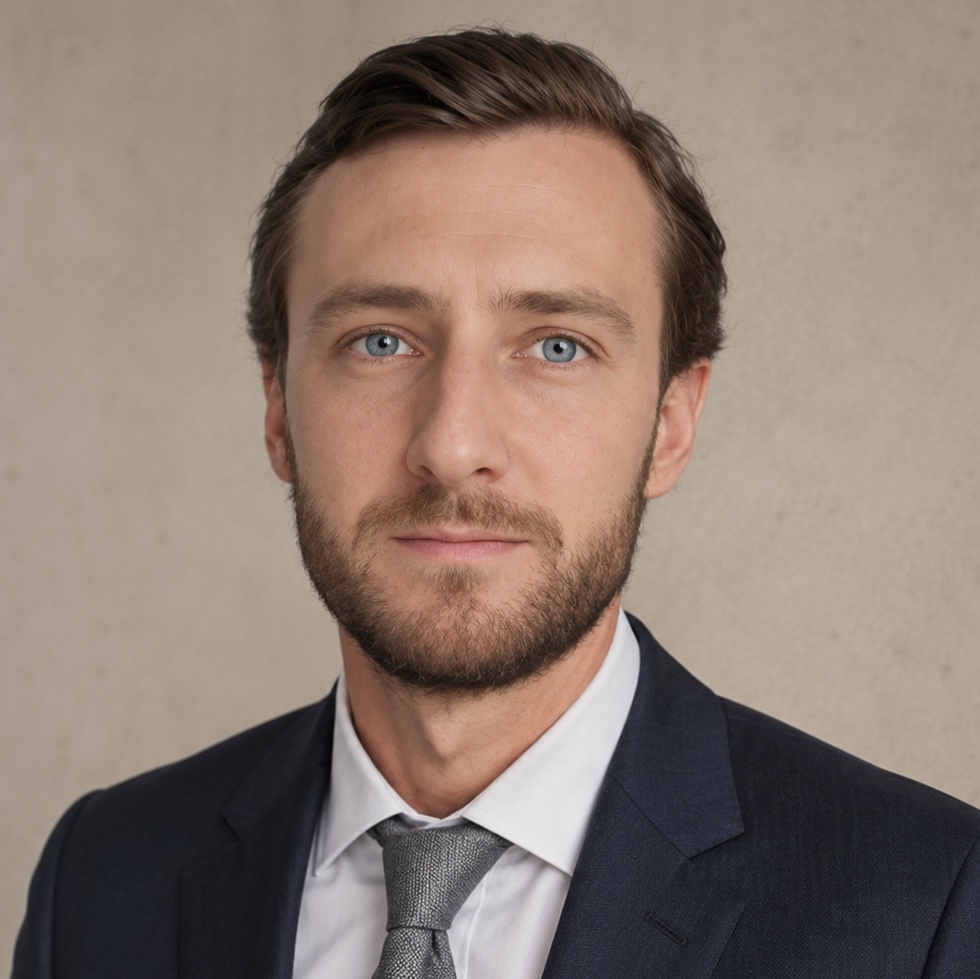
Tristan Louette
More than 10 years across business building, asset management, commercial development and operations, alongside founding and leading two technology-enabled businesses.
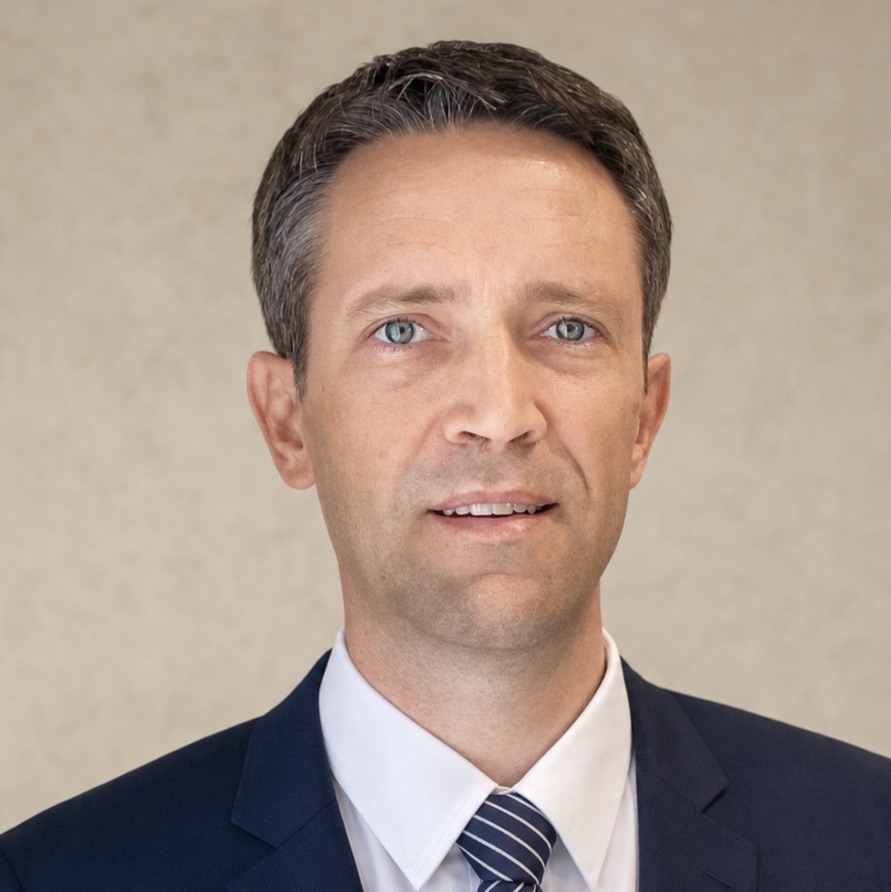
Gerhard Botha
CFA Charterholder and Chartered Accountant with more than 20 years across investment banking, private capital, restructuring, finance and entrepreneurship.
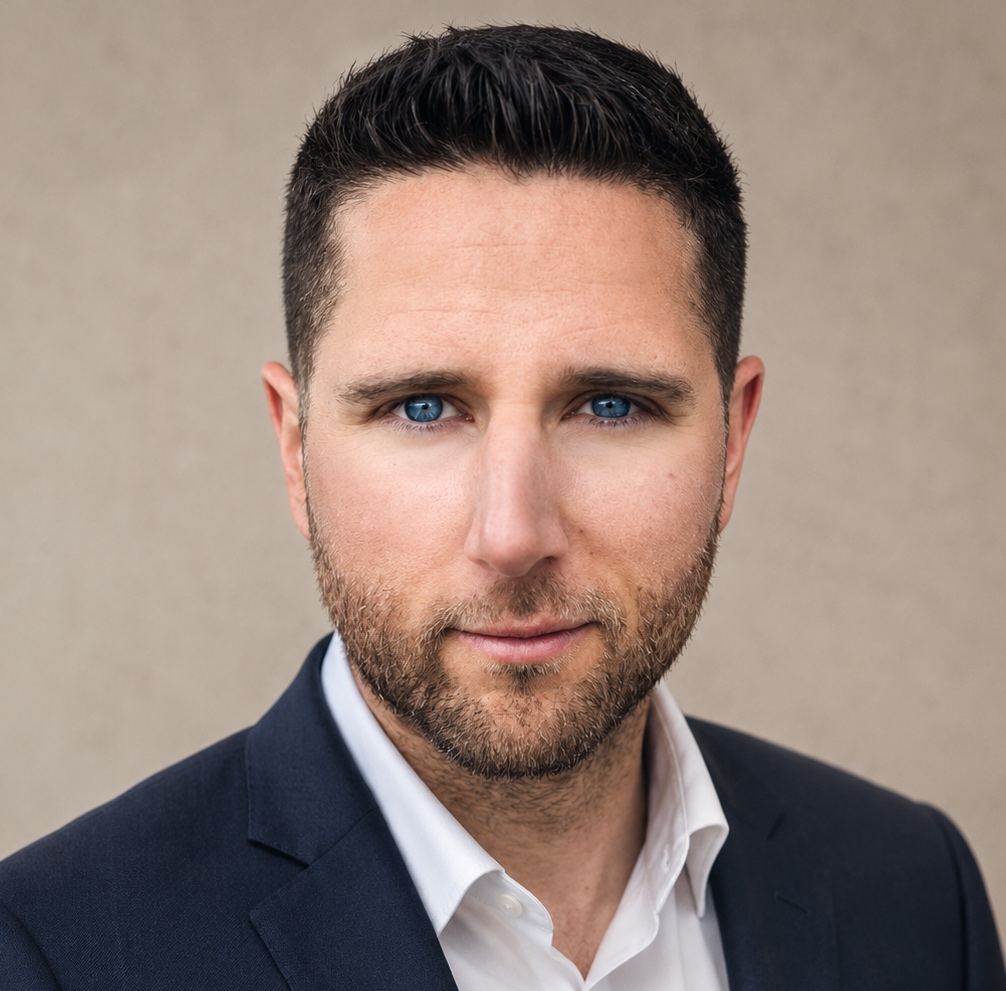
Hannes Offenbacher
Founder and strategist with more than 19 years helping organisations develop strategic direction and build new capabilities.
Thinking about what comes next?
You do not need to have decided to sell. If you own a business that broadly fits what we are looking for, we would be happy to hear about it, learn what matters to you and see whether there could be a fit.
Switzerland and French-speaking regions
French and English
Austria and the wider Alpine region
German and English
All conversations are confidential and carry no obligation.